

Stripes to Spots: A Zebra Shark Transformation
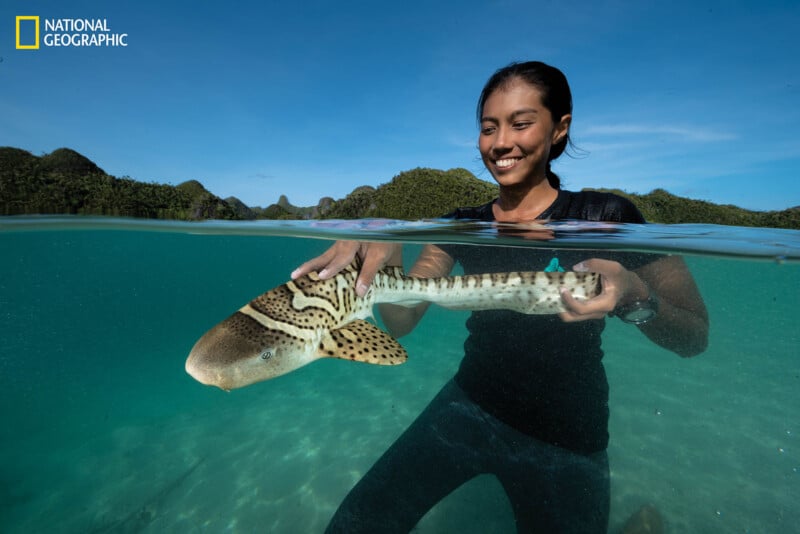
The Zebra Shark, Stegostoma tigrinum, begins life with striking dark stripes, a camouflage for coral reefs and seagrass beds. As they mature, these stripes fade into a pattern of smaller, darker spots, earning them the common name Leopard Shark.
This transformation reflects changes in habitat and diet. Young Zebra Sharks prefer reef environments, while adults move to sandy bottoms and open waters, requiring a shift in camouflage. The species is currently listed as Endangered due to steep population declines.
Historically, Zebra Sharks inhabited the Indo-Pacific from East Africa to Australia and Micronesia, with wider distribution and larger populations in the mid-20th century. Fishing pressure, habitat degradation, and slow reproduction have led to their current precarious situation, highlighting threats to many shark species.
The shift from stripes to spots marks a shark navigating a changing world. Understanding their lifecycle is key to protecting them.
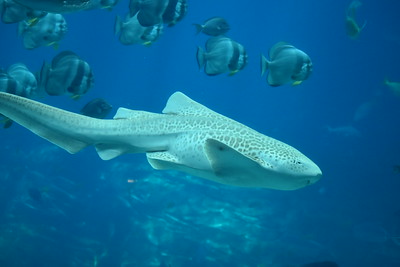
The 2026 IUCN Status: A Closer Look
The IUCN Red List classifies the Zebra Shark as Endangered, meaning it faces a very high risk of extinction in the wild. This assessment considers population size, geographic distribution, and decline rate. While a precise global estimate is difficult, current data shows a significant reduction in numbers across their range.
Being 'Endangered' means a substantial decrease in mature individuals—over 50% in the past three generations (about 75 years for Zebra Sharks). Their geographic distribution is shrinking, with local extinctions in several regions and fragmented remaining populations. Current trends suggest continued fishing pressure and habitat loss could push them closer to Critically Endangered.
Threats include overfishing, degradation of critical habitats like coral reefs and seagrass beds (essential for juvenile shelter and food), pollution, and climate change, all impacting these ecosystems and the sharks.
The IUCN uses a rigorous, data-driven process to assess extinction risk, informing conservation efforts and raising awareness. 'Endangered' is a warning signal.
Fishing Pressure and Bycatch: The Biggest Threats
Fishing pressure is the primary driver of Zebra Shark decline. They have been targeted for their fins (valued in the shark fin trade), meat, and liver oil, decimating populations in many areas.
Bycatch, the accidental capture of Zebra Sharks in fisheries targeting other species, is even more significant. Bottom trawling, gillnetting, and longlining often result in entanglement or hooking, leading to injury or death. The scale of this bycatch is enormous and a major obstacle to their recovery.
Demand for shark fin fuels targeted fishing. Despite regulations, high demand drives illegal and unsustainable practices, incentivizing fishermen to take risks. Solving this requires international cooperation and enforcement.
Understanding specific fishing methods that pose the greatest threat is crucial for conservation strategies. Reducing bycatch requires modifying gear, implementing time-area closures, and promoting sustainable practices. Addressing demand for shark fin is also important.
Marine Sanctuaries: A Network of Hope
Marine sanctuaries and protected areas are vital for Zebra Shark conservation. No-take zones and fishing restrictions provide safe havens for sharks to breed, feed, and grow. A sanctuary's effectiveness depends on its size, location, and enforcement.
Several sanctuaries are important for Zebra Shark conservation. Indonesia's Raja Ampat Marine Protected Area provides crucial habitat for diverse species, including Zebra Sharks. The Philippines’ Tubbataha Reefs Natural Park offers protection from fishing and destructive activities. Australia's Ningaloo Coast World Heritage Area provides important nursery grounds for juvenile Zebra Sharks.
Effective management is essential for sanctuaries. This includes regular patrols, shark population monitoring, and collaboration with local communities. Some sanctuaries implement gear restrictions to reduce bycatch. The best sanctuaries have clear regulations and enforcement resources.
A network of interconnected marine sanctuaries is crucial for Zebra Shark survival. These sanctuaries must be strategically located to protect critical habitats and migration routes, and adequately funded and managed. A coordinated, regional effort is needed.
Captain Spaulding and the Power of Captive Breeding
Aquariums and captive breeding programs support Zebra Shark conservation. These programs contribute research, education, and potentially individuals for future restoration projects. Studying sharks in captivity informs conservation efforts in the wild.
Captain Spaulding, a Zebra Shark at LegaSea in New Zealand, is notable for his leucism, a genetic condition causing reduced pigmentation and making him mostly white. His case highlights the importance of captive breeding for maintaining genetic diversity.
Challenges in captive breeding include maintaining genetic diversity and ensuring sharks adapt to the wild. Advances in reproductive technology and husbandry are improving success rates, and the knowledge gained is invaluable.
Captive breeding has limitations and is not a silver bullet solution. The primary focus must remain on protecting natural habitats and reducing threats in the wild. However, captive breeding can serve as a safety net for research and potential reintroduction.
Community-Based Conservation: Local Involvement is Key
undefined. These are the people who live alongside these sharks, and their livelihoods are often directly connected to the health of the marine environment. Without their buy-in and participation, conservation efforts are unlikely to succeed.
Community-based monitoring programs are a powerful tool. By training local fishermen and residents to monitor shark populations and report sightings, we can gather valuable data and track changes in their distribution and abundance. This data can then be used to inform management decisions and adjust conservation strategies.
Sustainable fishing initiatives are also essential. Promoting alternative fishing methods that reduce bycatch and supporting community-based fisheries management can help ensure the long-term sustainability of both the sharks and the livelihoods of local fishermen. Ecotourism projects, such as responsible shark diving tours, can provide economic incentives for conservation.
For example, in some parts of Indonesia, local communities have established traditional marine reserves, known as awig-awig, where fishing is restricted or prohibited. These reserves have been shown to be remarkably effective in protecting marine biodiversity, including Zebra Sharks. This demonstrates that conservation can be successful when it is driven by local needs and values.
Looking Ahead: Challenges and Future Research
Despite the progress made in recent years, significant challenges remain in Zebra Shark recovery. Illegal fishing continues to be a major threat, particularly in areas with weak enforcement. Habitat degradation, driven by pollution and climate change, is also exacerbating the problem. And the lingering effects of past overfishing continue to impact populations.
Further research is needed to address critical knowledge gaps. We need a better understanding of their population genetics to assess the level of genetic diversity and identify distinct populations. Tracking their movement patterns is also crucial for identifying key habitats and migration routes. More research is needed on the effectiveness of different conservation strategies.
The impacts of climate change on Zebra Sharks are particularly uncertain. Rising sea temperatures, ocean acidification, and changes in ocean currents could all have significant consequences for their survival. Understanding these impacts is essential for developing adaptation strategies. We also need to investigate the potential for assisted evolution – using genetic techniques to enhance their resilience to climate change.
I’m not sure what the next big breakthrough will be, but continued investment in research and monitoring is essential. We need to remain vigilant and adapt our conservation strategies as new information becomes available. The future of the Zebra Shark depends on our ability to address these challenges and fill these knowledge gaps.
What You Can Do to Help Zebra Sharks
You don't need to live near a coral reef to make a difference for Zebra Sharks. There are several actions you can take to support their conservation. Start with your seafood choices. Opt for sustainably sourced seafood and avoid consuming shark fin soup. Look for certifications like the Marine Stewardship Council (MSC) label.
Consider donating to conservation organizations that are working to protect Zebra Sharks and their habitat. Organizations like WWF, Conservation International, and the IUCN all have programs focused on shark conservation. Every contribution, no matter how small, can help.
Reducing your carbon footprint is another important step. Climate change is a major threat to marine ecosystems, and reducing greenhouse gas emissions can help mitigate its impacts. Support policies that promote renewable energy and sustainable practices.
Finally, advocate for stronger marine protection policies. Contact your elected officials and urge them to support legislation that protects sharks and their habitat. Raise awareness about the plight of Zebra Sharks among your friends and family. Every voice counts.
- Choose Sustainable Seafood: Look for the MSC label or other certifications.
- Donate to Conservation Organizations: Support groups working to protect sharks.
- Reduce Your Carbon Footprint: Minimize your impact on climate change.
- Advocate for Marine Protection: Contact your representatives and raise awareness.
No comments yet. Be the first to share your thoughts!