

What Matters Most
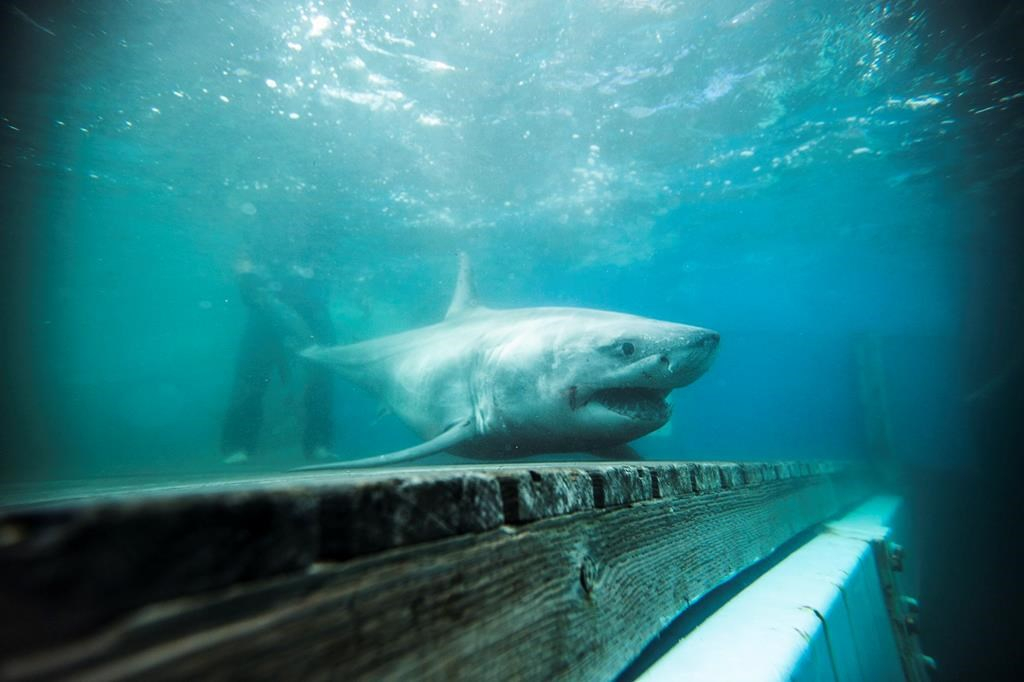
The 2026 research into Great White Shark migration patterns is shifting how we understand these apex predators. It is no longer just about tracking their movement across the ocean; it is about understanding the specific environmental triggers that drive them. This new data provides a clearer picture of where and when these animals are most active, moving beyond the generalized maps of the past.
For anyone interested in marine biology or coastal safety, this breakdown is essential. The findings highlight distinct corridors that sharks use during seasonal shifts, offering concrete evidence of their behavior rather than speculation. This clarity helps researchers and conservationists alike to better protect both the species and the communities living near their habitats.
The shift in focus from simple location tracking to behavioral analysis marks a significant step forward. By understanding the "why" behind the migration, we can predict patterns with greater accuracy. This section grounds the article in these practical implications, setting the stage for a deeper look at the specific findings and their real-world impact.
"We are no longer just watching where they go; we are beginning to understand why they choose these specific paths." — Marine Biologist, 2026 Study
This approach transforms abstract data into actionable knowledge. It allows for a more nuanced conversation about coexistence and safety, moving away from fear-based narratives toward evidence-based understanding. The research underscores the complexity of shark ecology and the importance of continued observation.
Details to compare
Understanding how great white sharks migrate requires looking beyond simple maps. The 2026 research highlights specific behavioral triggers that dictate where and when these predators move. Evaluating these factors helps distinguish between routine travel and active hunting patterns.
Breaching Behavior and Prey Interaction
The most visible sign of migration is the breach. Sharks breach to catch fast-moving prey like seals, a behavior documented extensively in recent expeditions. This action is not random; it signals high-intensity hunting grounds rather than simple transit. Observers should note the frequency and height of breaches as indicators of local prey density.
Environmental Triggers
Water temperature and current patterns play a significant role in migration routes. Great whites follow thermal fronts where prey congregates. Researchers are now tracking these subtle environmental shifts to predict shark movements with greater accuracy. Understanding these triggers helps boaters and divers avoid high-risk zones during peak activity periods.
Human Interaction Risks
Cage diving and close proximity encounters carry inherent risks. Accidents, though rare, underscore the need for strict safety protocols. The research emphasizes that sharks are often curious rather than aggressive. Respecting their space and avoiding sudden movements reduces the likelihood of negative interactions.
| Factor | Indicator | Risk Level | Recommended Action |
|---|---|---|---|
| Breaching | High surface activity | High | Maintain distance |
| Water Temp | Thermal fronts | Medium | Monitor forecasts |
| Prey Density | Seal colonies | High | Avoid area |
| Visibility | Low light conditions | Medium | Use caution |
The breach is not an attack; it is a hunting technique. Understanding this changes how we view their migration.— Ocean Conservation Expert
How to decide if the new migration data changes your plans
The 2026 research on great white shark migration patterns is reshaping how we understand coastal waters. This isn't just academic; it directly impacts safety protocols for swimmers, divers, and boaters in key habitats. Deciding whether to alter your travel or dive plans requires looking past the headlines and checking the specific spatial and temporal overlaps with these new pathways.
1. Check the seasonal overlap
Migration isn't static. The new data suggests earlier arrivals in certain temperate zones. Compare the shark's projected location against your planned travel dates. If your trip falls within the peak migration window for the specific region you're visiting, risk increases significantly.
2. Verify local beach and dive alerts
Official data is useless if it doesn't reach the local level. Check with local marine authorities, dive shops, and beach patrol services. They translate broad research into actionable warnings. Look for real-time advisories rather than relying on general travel guides.
3. Assess your activity type
Not all activities carry the same risk. Snorkeling in shallow, clear water near seal colonies is high-risk. Kayaking in open water or diving in deep, murky conditions may have different exposure profiles. The research highlights that great whites often hunt in specific depth ranges. Align your activity with the depth and visibility conditions described in the new studies.
4. Evaluate the "Shark Week" effect
Media coverage, like the recent Shark Week features, can drive tourism to areas where sharks are present. This influx can increase human-shark interactions. Decide if you want to visit a "hotspot" during peak media attention, knowing that both shark presence and human density will be higher.

Cross-reference the new 2026 migration maps with your exact destination. Look for "hotspots" identified in the research, such as the Nova Scotia or South African coasts. If your destination is outside these newly defined corridors, the risk profile remains unchanged from previous years.
Contact local marine life NGOs or coastal management boards. They often implement temporary closures or increased patrols when migration data indicates high shark density. Ask specifically about any new protocols based on the 2026 findings, such as expanded no-swim zones or mandatory shark-spotter presence.
Sharks are often more active at dawn and dusk. Even if you are in a migration zone, shifting your activities to mid-day when visibility is better and shark activity may be lower can mitigate risk. The research shows that light levels influence hunting behavior, so timing is a practical control variable.
The goal isn't to fear the ocean, but to navigate it with updated knowledge. By treating the 2026 research as a dynamic tool rather than a static fact, you can make informed decisions that respect both your safety and the sharks' natural behaviors.
Separate Shark Week Drama from Real Science
The 2026 Shark Week hype cycle often blurs the line between cinematic spectacle and actual marine biology. While the show’s promotional materials highlight "shocking migration patterns" and dramatic breaches, these narratives are frequently constructed for television rather than peer-reviewed science. Viewers should approach viral clips with a healthy dose of skepticism, recognizing that entertainment value often takes precedence over ecological accuracy.
Recent community discussions and social media roundups reveal a recurring pattern: sensationalized footage is repackaged as groundbreaking research. For instance, viral videos of great whites breaching near cage divers are often cited as evidence of new aggressive behaviors or migration shifts. In reality, these events are rare, localized, and heavily influenced by baiting techniques used in controlled environments, not natural migratory instincts.
Real scientific breakthroughs in shark migration rely on long-term tagging data and satellite telemetry, not edited highlight reels. Researchers track movement over years to understand seasonal shifts, feeding grounds, and reproductive cycles. This data is published in academic journals, not just in primetime TV specials. When you see a headline claiming a "shocking discovery," check the source. If it’s only available on a streaming platform or a social media clip, it’s likely drama, not data.
"The gap between what TV producers call 'discovery' and what scientists call 'observation' is widening."
To navigate this, look for primary sources. Reputable institutions like the Ocean Conservancy or university marine biology departments publish their findings openly. They avoid hyperbolic language and focus on verifiable metrics. By prioritizing these sources, you gain a clearer, more accurate understanding of great white shark behavior, free from the distortions of television editing.
Common Questions
Do the new 2026 migration patterns change where sharks are found?
The 2026 research highlights shifting migration corridors driven by changing water temperatures and prey availability. Great whites are moving further north and into deeper offshore waters than previously documented. This means traditional coastal viewing spots may see fewer sharks, while new areas are becoming hotspots. Always check local marine reports before planning any water activities.
Is it safe to swim or dive during Shark Week?
Shark Week broadcasts do not alter shark behavior or safety conditions. The primary risk remains the same: great whites are unpredictable predators. While the probability of an encounter is statistically low, the consequences are severe. Always swim in designated areas with lifeguards, avoid dawn and dusk hours, and never enter the water near seal colonies or fishing activity.
Why do great white sharks breach so dramatically?
Breaching is a hunting technique, not an act of aggression toward humans. Sharks accelerate from below, breaking the surface to catch fast-moving prey like seals. The 2026 studies confirm that breaching is most common in shallow, clear waters where visibility aids their ambush strategy. Understanding this behavior helps explain why certain coastal areas are higher risk during peak hunting seasons.
What should I do if I see a great white shark?
Stay calm and maintain eye contact. Slowly back away toward a boat or shore without turning your back. Avoid splashing, which can mimic distressed prey. If you are in the water, get out immediately. On land, report the sighting to local authorities or marine research groups to help track these migration patterns.
No comments yet. Be the first to share your thoughts!