

10 Shark Week 2026 Highlights: Top 10 Must-Watch Episodes and Exclusive Behind-the-Scenes Content
Shark Week 2026 marks a significant shift in ocean documentary production, moving beyond sensationalist "man-eater" tropes toward rigorous scientific inquiry and immersive cinematography. This year’s lineup prioritizes behavioral ecology, climate impact studies, and technological advancements in underwater tracking. The following ten highlights represent the most critical viewing experiences for enthusiasts, researchers, and general audiences alike, balancing entertainment value with educational depth.
1. The Deep-Sea Giants of the Mariana Trench
This premiere episode utilizes new submersible technology to explore depths previously inaccessible to standard documentary crews. Viewers witness the hunting behaviors of the giant squid in near-total darkness, captured using low-light, high-sensitivity cameras. The episode features interviews with marine biologists who explain how these creatures adapt to extreme pressure, providing a stark contrast to the shallow-water sharks most viewers are familiar with. The production team spent three weeks waiting for a single feeding event, resulting in rare, high-definition footage of predation in the abyssal zone.
2. Great White Migration: The Pacific Circuit
Tracking a population of great white sharks across 10,000 miles of the Pacific Ocean, this documentary follows a group of tagged individuals from the California coast to the Hawaiian Islands. Using satellite telemetry and drone surveillance, the film maps the precise routes these predators take, revealing hidden feeding grounds and mating aggregations. The episode highlights the challenges of long-term tracking, including battery life limitations and signal loss in remote areas, offering a realistic look at the logistical hurdles of modern marine biology.
3. Reef Resilience: Sharks in Changing Waters
Focusing on the impact of coral bleaching on shark populations, this episode examines how the loss of reef structures affects the hunting efficiency and social dynamics of reef sharks. Researchers in the Great Barrier Reef and the Indo-Pacific have documented a 40% decline in shark sightings in bleached areas over the last decade. The film contrasts these findings with healthy reef systems, illustrating the cascading effects of climate change on apex predators. It also features conservationists working to restore reef habitats, offering a hopeful counter-narrative to the ecological decline.
4. The Silent Hunters: Hammerhead Mysteries
Hammerhead sharks have long been misunderstood due to their distinctive cephalocephalic heads. This episode delves into the sensory advantages of this unique anatomy, explaining how it enhances electroreception and spatial awareness. Footage from the Galápagos Islands shows massive aggregations of scalloped hammerheads during their annual reproductive cycle. The documentary debunks the myth that hammerheads are aggressive man-eaters, instead portraying them as cautious, social animals that play a crucial role in maintaining the balance of pelagic ecosystems.
5. Urban Sharks: Life in the Concrete Jungle
Contrary to popular belief, sharks thrive in urban environments. This episode explores the surprising biodiversity found in the waters surrounding major cities like New York, Sydney, and Miami. Using underwater cameras installed on bridges and piers, the film captures blacktip reef sharks and bull sharks navigating the complex structures of human-made harbors. It addresses the conflict between urban development and marine life, highlighting successful coexistence strategies employed by city planners and conservationists.
6. The Night Shift: Nocturnal Predation
Most shark activity occurs under the cover of darkness, yet this aspect of their behavior is rarely documented. This special features night-vision and infrared technology to reveal the hunting strategies of nocturnal species such as the whitetip reef shark and the nurse shark. The episode demonstrates how these sharks use ambush tactics and cooperative hunting techniques to catch prey in low-light conditions. It also explores the sensory adaptations that allow sharks to hunt effectively in the dark, including enhanced smell and lateral line detection.
7. Conservation Heroes: The Shark Sanctuaries
This episode profiles the global network of shark sanctuaries, regions where fishing for sharks is strictly prohibited. From the Bahamas to Palau, these protected areas have seen significant recoveries in shark populations. The film follows the rangers and scientists who enforce these laws, facing challenges such as illegal fishing and political resistance. It provides a case study on the effectiveness of marine protected areas (MPAs) and offers a blueprint for other nations looking to implement similar conservation measures.
8. The Science of Senses: How Sharks See and Smell
A deep dive into the neurobiology of sharks, this episode explains the sophisticated sensory systems that make them effective predators. Using advanced imaging techniques, the film visualizes how sharks process electrical signals from their ampullae of Lorenzini and how they detect minute chemical traces in the water. The episode includes experiments conducted in controlled environments, demonstrating the sensitivity of these senses and their role in navigation, hunting, and social interaction. It challenges the notion of sharks as mindless killing machines, revealing them as highly sensitive and intelligent animals.
9. Behind the Scenes: Filming the Impossible
This exclusive behind-the-scenes feature offers a rare glimpse into the production of Shark Week 2026. Viewers meet the cinematographers, divers, and editors who risk their lives to capture the footage seen in the other episodes. The segment highlights the technological innovations used, such as remote-operated vehicles (ROVs) and drone-mounted cameras, and discusses the ethical considerations of filming wild animals. It also addresses the dangers faced by the crew, including encounters with large sharks and harsh weather conditions, providing a respectful tribute to the dedication of the production team.
10. Future of the Oceans: A Call to Action
The finale episode synthesizes the themes of the series, emphasizing the urgent need for ocean conservation. It features interviews with leading marine scientists and policymakers who outline the threats facing shark populations and the broader marine ecosystem. The episode proposes actionable steps for individuals and governments to protect sharks, including reducing plastic pollution, supporting sustainable fisheries, and advocating for stronger conservation laws. It ends on a hopeful note, showcasing the resilience of marine life when given the chance to recover.
What to know first
Shark Week 2026 is not just a television event; it is a curated educational experience designed to shift public perception of sharks from fear to fascination. To maximize the value of this viewing, audiences should approach it with an understanding of the scientific context. The episodes are structured to build knowledge progressively, starting with basic biology and moving toward complex ecological interactions. Viewers are encouraged to engage with the accompanying online resources, which provide additional data, interactive maps, and expert commentary. This supplementary material enhances the viewing experience by offering deeper insights into the topics covered in each episode.
How to choose
For those interested in specific aspects of shark biology or conservation, the lineup offers distinct pathways. If you are a student or educator, the "Science of Senses" and "Reef Resilience" episodes provide valuable academic content. For general audiences, the "Urban Sharks" and "Night Shift" episodes offer accessible and visually stunning narratives. Families might prefer the "Conservation Heroes" episode, which presents a positive and actionable message. The "Behind the Scenes" feature is ideal for those interested in the filmmaking process and the challenges of wildlife documentation. Consider your primary interest—whether it is scientific learning, entertainment, or conservation advocacy—and select the episodes that align with your goals.
Common questions
Helpful gear
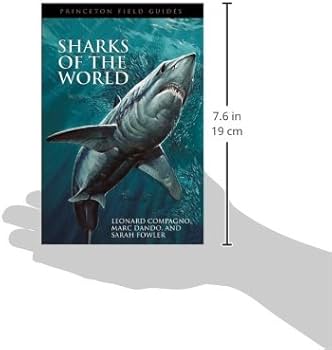
While watching Shark Week 2026, you may want to enhance your viewing experience or engage more deeply with the content. The following products are recommended for enthusiasts who wish to extend their learning beyond the screen.


As an Amazon Associate, we may earn from qualifying purchases.
No comments yet. Be the first to share your thoughts!