

Shark Week's Evolution: A Visual Timeline
Shark Week began in 1988 as a week-long programming event to raise awareness about sharks. It was a bold idea then, as public understanding of these creatures was limited, and it quickly became a ratings success for the Discovery Channel. Early programming focused on sensationalism, dramatic shark encounters, and a "monster of the deep" narrative. This approach grabbed attention but also drew criticism.
Initial ratings shaped Shark Week's future. Discovery saw the potential for a yearly event, and programming continued to emphasize spectacle. Concerns soon arose about the accuracy of information and the potential to instill fear instead of understanding. Critics argued that the focus on shark attacks misrepresented the actual risk to humans and painted an unfairly negative picture of these animals. This early backlash remains a recurring theme in Shark Week’s history.
Over the years, the tone has shifted gradually. While dramatic encounters still feature, there's been a noticeable increase in documentaries focused on shark biology, behavior, and conservation. Marine biologists and conservationists are now more commonly included as on-screen experts, lending credibility. This evolution reflects a growing understanding of the need to balance entertainment with responsible storytelling, as the channel attempts to address past criticisms by emphasizing education alongside thrills.
2026's Programming: What's Officially Announced?
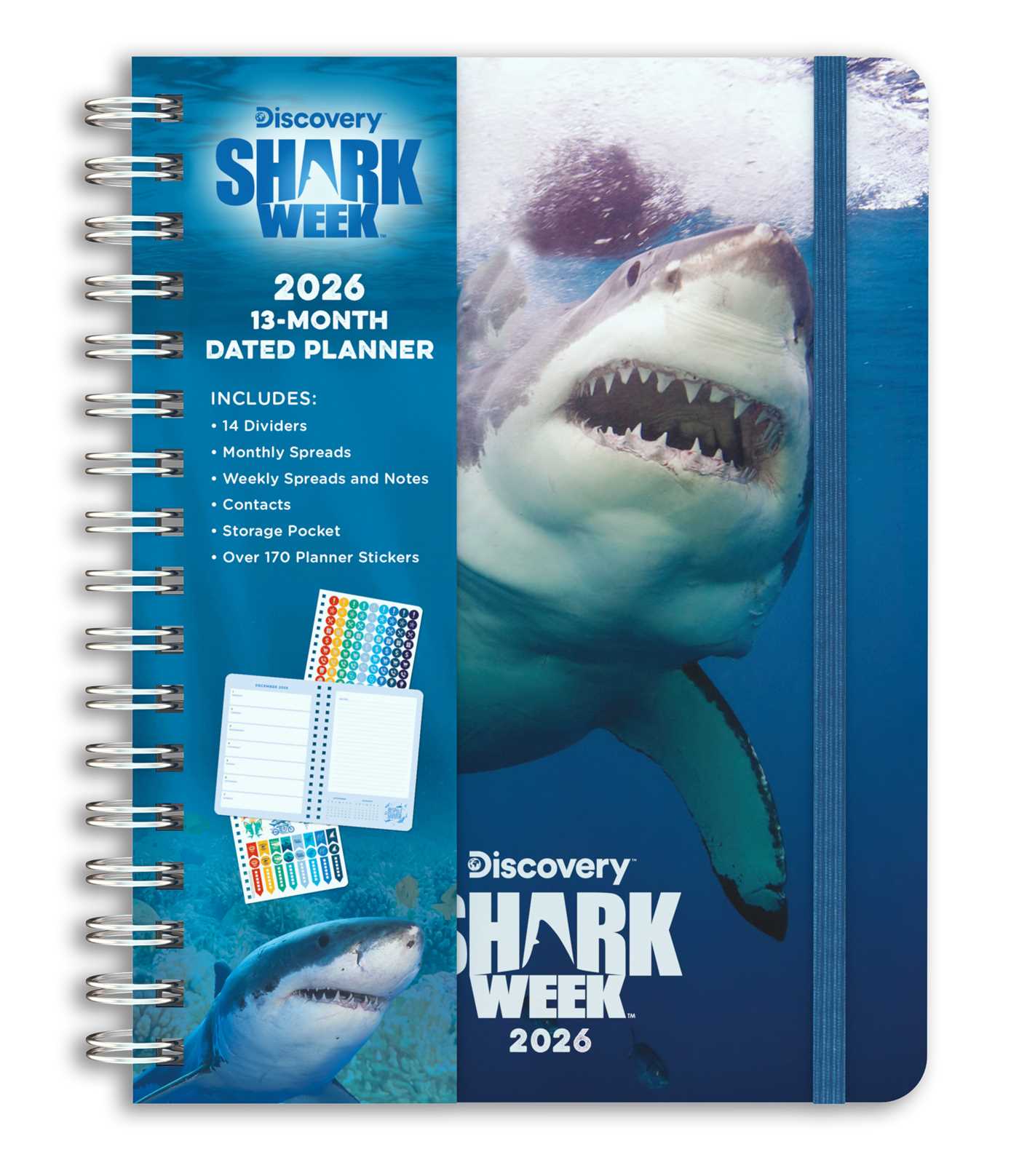
Shark Week 2026 is scheduled to run from July 6-13, 2026, according to National Today. Discovery Channel's website and Facebook pages are releasing details, though a complete schedule isn't yet available. Confirmed is a focus on contrasting the largest and smallest sharks on Earth, a theme highlighted in a recent Facebook post.
One announced program is tentatively titled 'Giants and Minnows,' featuring whale sharks alongside blacktip reef sharks to showcase the diversity in size and behavior within the shark family. Another confirmed program, 'Deep Reef Secrets,' will explore sharks inhabiting deep-sea coral reefs. The main event starts Sunday, July 20th on Discovery.
Discovery is partnering with several marine research institutions for the 2026 season, promising greater emphasis on scientific accuracy, a departure from more sensationalized programming. Currently, no live events are planned, but Discovery has incorporated live elements in previous years, so this is something to watch for as the schedule finalizes. Initial announcements suggest a continued refinement of existing documentary styles.
Shark Week 2026 Program Schedule (Confirmed as of November 26, 2023)
| Program Title | Airdate/Time (ET) | Synopsis | Featured Scientists/Locations | New Format |
|---|---|---|---|---|
| Apex Predators: New Caledonian Reef | July 20, 2026, 8:00 PM | Explores the diverse shark populations and unique reef ecosystem of New Caledonia, focusing on predator-prey dynamics. | Dr. Anya Sharma, New Caledonian Reef | Yes |
| Tiger Beach: Return to the Mothership | July 21, 2026, 9:00 PM | Follows a team of researchers studying tiger shark behavior and pupping grounds off the coast of the Bahamas. | Captain Oliver Hayes, Bahamas | No |
| Great White Serial Killers? | July 22, 2026, 8:00 PM | Investigates recent reports of unusual predatory behavior in Great White sharks off the coast of South Africa. | Marine Biologist Dr. Ken Reynolds, South Africa | No |
| Hammerhead Haven | July 23, 2026, 9:00 PM | Documents the social structures and migration patterns of hammerhead sharks in the Galapagos Islands. | Dr. Isabella Cortez, Galapagos Islands | Yes |
| Deep Sea Sharks: Mysteries of the Abyss | July 24, 2026, 8:00 PM | Utilizes remotely operated vehicles (ROVs) to explore the largely unknown world of deep-sea sharks. | ROV Team led by Ben Carter, Pacific Ocean | Yes |
| Shark Week Rewind: 2016's Most Memorable Moments | July 25, 2026, 9:00 PM | A retrospective look at some of the most impactful and visually stunning moments from Shark Week 2016. | Archival Footage | No |
Illustrative comparison based on the article research brief. Verify current pricing, limits, and product details in the official docs before relying on it.
Shifting Focus: Conservation Takes Center Stage
The most significant change in Shark Week programming over the last decade is the increasing emphasis on shark conservation. This is a fundamental shift in how sharks are portrayed. More documentaries highlight the threats sharks face—overfishing, habitat destruction, and climate change—and their crucial role in maintaining healthy marine ecosystems. This feels like a real attempt to move beyond fear-mongering.
Discovery has partnered with organizations like Oceana and WWF to produce segments focused on specific conservation efforts. These collaborations lend credibility and provide viewers with actionable information about protecting sharks. This aligns Shark Week with growing public concern for ocean health. However, it raises the question of whether this shift impacts viewership: Does a focus on conservation attract the same audience as dramatic shark attack stories?
While it's difficult to definitively say whether the conservation focus is boosting or hindering ratings, Discovery is committed to this approach. Some long-time viewers express nostalgia for the "classic" Shark Week, but the overall trend is towards more responsible and informative programming. Maintaining excitement while promoting conservation is a delicate but necessary balance.
Do you prefer the older, more sensationalized Shark Week programming, or the newer, conservation-focused approach?
Shark Week has evolved significantly over the years, shifting from dramatic, sensationalized specials to a greater emphasis on marine science and shark conservation. As we look at Shark Week 2026 compared to previous years, we want to hear from the Week Shark community. Which direction do you think makes for better programming? Vote below!
New Technologies: How 2026 is Filming Sharks
Filming sharks presents unique challenges, but technology advancements are revolutionizing how footage is captured. In 2026, expect increased use of remotely operated vehicles (ROVs) and drones, allowing filmmakers to access unreachable areas and observe sharks without direct human intervention. This is important for studying deep-sea sharks or those in sensitive habitats.
Improvements in underwater camera technology are also crucial. Low-light cameras are becoming more sophisticated, allowing for clearer footage in murky depths. Acoustic tracking technology, using sound waves to monitor shark movements, gathers data on behavior and migration patterns. This data informs conservation efforts and shark ecology understanding. It's about gathering better data, not just a better picture.
There's a growing emphasis on non-invasive tracking methods, such as satellite tagging, which allows scientists to monitor shark movements over long distances without physically capturing animals. This minimizes disturbance to shark populations. Artificial intelligence is also emerging, with algorithms being developed to analyze underwater footage and automatically identify individual sharks, streamlining data collection.

Beyond TV: Shark Week's Digital Expansion
Shark Week is no longer confined to the television screen. Discovery has significantly expanded its digital presence, offering exclusive content on streaming services like Discovery+, social media platforms, and interactive experiences. Discovery+ subscribers gain access to extended program cuts, behind-the-scenes footage, and exclusive interviews with scientists, providing a deeper dive into the world of sharks for dedicated fans.
Social media, particularly Facebook, engages viewers in real-time. Discovery hosts live Q&A sessions with marine biologists, allowing audiences to ask questions and learn directly from experts. They also share visuals and short-form videos, keeping the conversation going year-round. Facebook indicates Shark Week 2026 will feature side-by-side comparisons of different shark species.
Virtual reality (VR) and augmented reality (AR) experiences offer immersive ways to interact with sharks. These technologies allow viewers to "swim" alongside sharks virtually or learn about their anatomy and behavior through interactive AR apps. Discovery targets a younger audience with these digital initiatives, recognizing the importance of reaching future generations of ocean advocates.
Shark Week 2026 Platforms
- Discovery+ - Offers extended cuts of Shark Week programs, behind-the-scenes footage, and access to a library of past Shark Week specials. Subscribers can stream on multiple devices.
- Max - As the new streaming home for Discovery content, Max features all Shark Week programming, including original specials and documentaries. Max offers different subscription tiers.
- Discovery Channel Website - The official Discovery Channel website provides episode guides, shark profiles, and bonus content related to Shark Week. It also features articles and news updates.
- Shark Week App - The dedicated Shark Week app (available on iOS and Android) provides a centralized hub for schedules, live streams, and interactive features like shark cams and quizzes.
- YouTube TV - Shark Week programming is available live and on-demand through YouTube TV, a streaming service that includes the Discovery Channel in its channel lineup.
- Hulu + Live TV - Similar to YouTube TV, Hulu + Live TV subscribers can access Shark Week content via the live broadcast of the Discovery Channel and on-demand options.
- Social Media (Facebook, Instagram, TikTok, X) - Discovery Channel utilizes its social media platforms to share clips, behind-the-scenes content, and engage with fans during Shark Week. Expect interactive polls and Q&A sessions.
Criticism and Response: Addressing Past Concerns
Shark Week has faced consistent criticism over the years, primarily concerning sensationalism, inaccuracies, and the portrayal of sharks as mindless predators. Early programming often relied on dramatic reenactments and exaggerated claims, fueling public fear and misunderstanding. Criticisms date back to the early 1990s and have persisted despite attempts to address them.
Discovery has responded by increasing its reliance on scientific experts, vetting information more carefully, and shifting the focus towards conservation. They have also made efforts to debunk common myths about sharks and highlight their importance in the marine ecosystem. Disclaimers and fact-checking segments are now more common, a slow process of rebuilding trust.
However, the debate continues. Some critics argue that even more responsible programming still relies on dramatic framing to attract viewers, and that the ethical implications of filming sharks—potentially disrupting their behavior—haven’t been fully addressed. The line between entertainment and education remains blurry, with ongoing discussion about striking the right balance. This
Gear Up: Shark Week Merchandise Roundup
Shark Week merchandise is big business, and 2026 will undoubtedly see a flood of shark-themed products hit the market. Amazon is a good place to start looking, and currently offers a wide range of items, from books and documentaries to apparel and novelty gifts. High-quality documentaries, like those from National Geographic, can be a great way to.
For the bookworms, titles like 'Shark' by Dean Miller offer a comprehensive overview of shark biology, behavior, and conservation. Apparel options range from t-shirts and hoodies featuring shark designs to more sophisticated clothing with subtle shark-themed patterns. Several conservation organizations, like Oceana, offer merchandise where proceeds go directly to supporting their work. Buying from these organizations is a great way to support shark conservation.
Beyond the educational and charitable options, there's a plethora of novelty items available – plush sharks, shark-shaped toys, and even shark-themed kitchen gadgets. While these items may not be directly educational, they can help to spark an interest in sharks and the ocean. A well-chosen gift can be a great conversation starter and a fun way to celebrate Shark Week.
Shark Week Essentials: Dive Deeper with These Must-Have Items

Level 2 reading for early independent readers · Introduces basic shark facts · Engaging photographs and illustrations
This book is perfect for young readers eager to learn foundational shark facts during Shark Week.
![Ultimate Discovery Channel Shark Week 2-Volume Blu-ray Collection: Fins of Fury / 25th Anniversary Collection [Bluray]](https://m.media-amazon.com/images/I/41Tmjwnyu7L._AC_UY500_QL65_.jpg)
Two-volume Blu-ray collection · Features 'Fins of Fury' and the '25th Anniversary Collection' · High-definition documentary footage
Dive deep into shark behavior and history with this comprehensive Blu-ray collection of classic Shark Week documentaries.

Graphic t-shirt design · Features infographic-style shark illustrations · Comfortable and casual wear
Showcase your love for sharks with this unique t-shirt that combines educational infographics with casual style.

3-in-1 LEGO Creator set · Builds a shark, crab, or squid · Includes angler fish accessory
This versatile LEGO set allows for creative building and imaginative play, transforming into multiple sea creatures including a shark.

Dice-rolling game · Players fish for sea creatures · Avoid the shark's bite
Engage in a fun, fast-paced game of chance and dexterity that brings the thrill of the ocean's predators to your tabletop.
As an Amazon Associate I earn from qualifying purchases. Prices may vary.

No comments yet. Be the first to share your thoughts!