

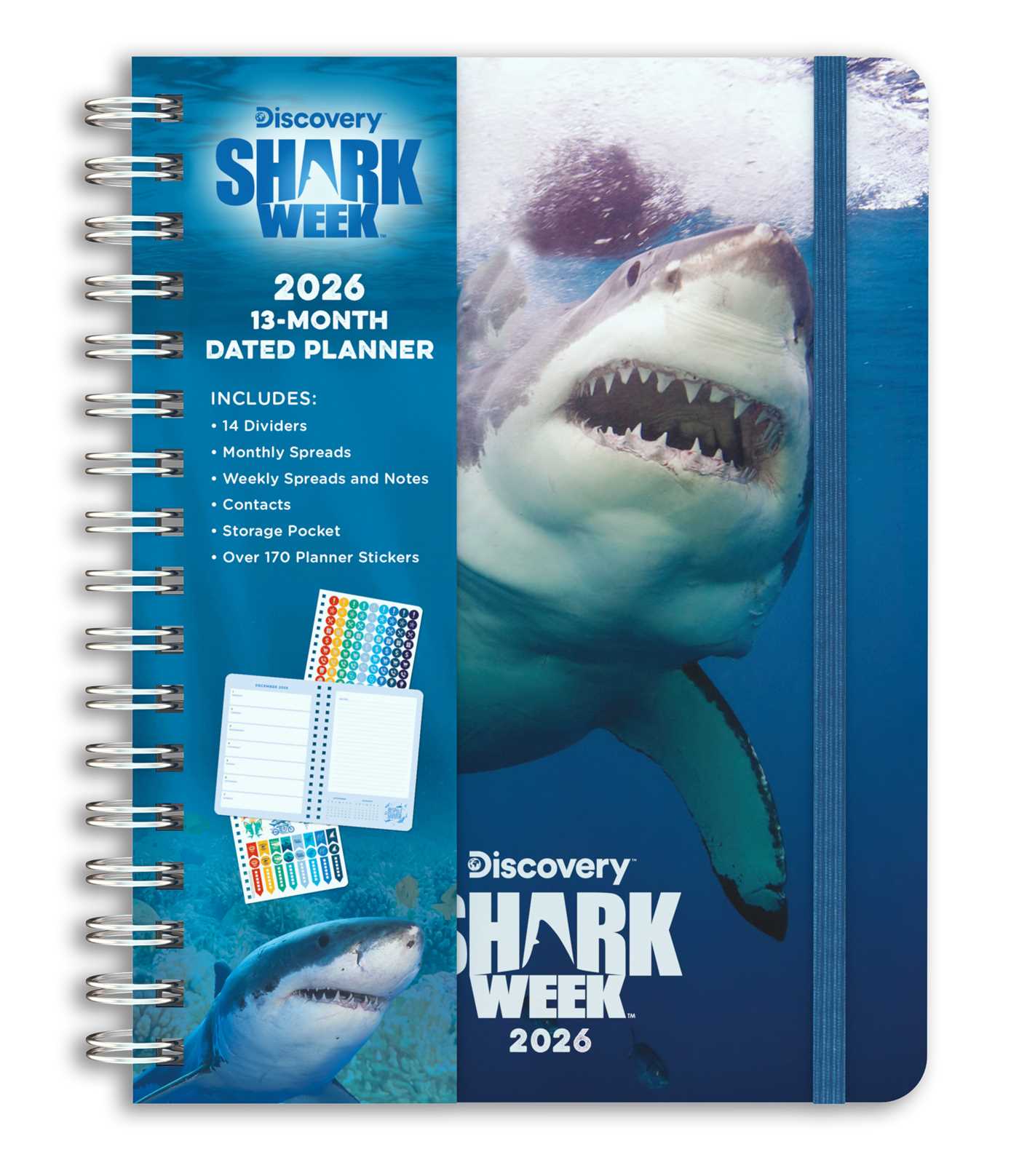
Shark Week 2026: A First Look
Shark Week 2026 appears set to continue its trend of blending thrilling encounters with scientific investigation. Following a 2025 event that emphasized conservation, expect 2026 to amplify this theme, focusing more on the role sharks play in healthy ocean ecosystems.
Advancements in shark research technology will likely remain a draw for viewers in 2026. Expect continued development of smaller, sophisticated tracking tags for detailed data on shark movements and behavior. Drones and remotely operated vehicles (ROVs) will likely see increased use for capturing footage in challenging environments, though accessibility for field researchers remains a consideration.
Discovery has addressed past criticism regarding sensationalism and inaccuracies by increasing expert commentary, adding disclaimers, and partnering with marine research organizations. This trend is expected to continue as the network balances viewer excitement with the responsibility of scientifically sound portrayals. The 2026 event will test this balance.

Top 10 Moments of Shark Week 2026
Here are ten compelling moments from Shark Week 2026, combining dramatic footage, scientific breakthroughs, and resonant stories. These moments generated significant buzz and discussion.
1. Record-Breaking Great White Tracking: A team of researchers, working off the coast of Guadalupe Island, successfully tracked a Great White Shark for an unprecedented 18,000 miles over 312 days. The data revealed a previously unknown migratory pattern, demonstrating the shark’s ability to navigate vast distances with remarkable precision. This beat the previous record of 15,000 miles set in 2022.
2. First Documented Goblin Shark Breeding Ground: A deep-sea expedition, utilizing a new remotely operated vehicle (ROV), discovered a potential breeding ground for Goblin Sharks off the coast of Japan. The footage of these rarely seen creatures interacting was extraordinary, providing valuable insights into their reproductive behavior. The challenges of filming in such extreme depths were immense.
3. Bull Shark Encounter in the Amazon: A harrowing encounter between a research team and a large Bull Shark in the Amazon River highlighted the dangers of studying these apex predators in murky waters. The footage, while intense, served as a reminder of the importance of respecting their habitat and understanding their behavior. The team was unharmed, thankfully.
4. Hammerhead Nursery Discovered in the Bahamas: A team of marine biologists identified a previously unknown nursery area for Great Hammerhead Sharks in the Bahamas. This discovery is crucial for conservation efforts, as it provides a protected area for vulnerable young sharks. Protecting these nurseries is vital for maintaining healthy populations.
5. AI-Powered Shark Identification System: Researchers unveiled a new AI-powered system capable of identifying individual sharks based on their unique fin patterns. This technology will significantly streamline population monitoring and tracking efforts, allowing for more accurate assessments of shark abundance. It’s a real game-changer for long-term studies.
6. Tiger Shark’s Unexpected Diet: Analysis of a Tiger Shark’s stomach contents revealed a surprising diversity of prey, including plastic debris and even a fragment of a drone. This underscored the impact of human pollution on marine ecosystems and the challenges sharks face in a changing ocean. It’s a grim reminder of our impact.
7. Whale Shark Migration Mystery Solved: A multi-year tracking study finally revealed the purpose of a large aggregation of Whale Sharks off the coast of Mexico. The sharks were found to be gathering to feed on a seasonal bloom of plankton, providing a critical food source during their long migrations. That plankton bloom is linked to specific ocean currents.
8. Thresher Shark Hunting Technique Revealed: Slow-motion footage captured a Thresher Shark using its elongated tail to stun prey, a hunting technique previously theorized but never definitively documented. The footage was breathtaking, showcasing the shark’s incredible agility and power. It really changed how we see this species.
9. Conservationist’s Lifelong Dedication: A documentary profiled the decades-long work of Dr. Emily Carter, a leading shark conservationist. Her unwavering commitment to protecting sharks and their habitats was inspiring, demonstrating the power of individual action. Her story resonated with many viewers.
10. Greenland Shark Longevity Study: New data from a study on Greenland Sharks suggested that these creatures can live for up to 500 years, making them the longest-lived vertebrates on Earth. The research involved radiocarbon dating of eye lenses, providing a unique window into the shark’s lifespan. It’s an astonishing figure.
Breakthroughs in Shark Tracking Technology
Shark Week 2026 highlighted advancements in shark tracking technology, notably the introduction of the "MiniTag." This smaller acoustic transmitter, attachable to juvenile sharks, boasts a battery life of over two years, an improvement over previous models. Researchers used these MiniTags to study the early life stages of Lemon Sharks in the Florida Keys.
Increased use of satellite-linked tags with improved data transmission capabilities was another key development. These tags provide near-real-time location data for accurate shark movement monitoring. They also incorporate sensors for depth, temperature, and acceleration, offering a comprehensive picture of shark behavior. The cost of these tags remains high, around $5,000 each.
The integration of AI-powered image recognition software is revolutionizing shark identification. Researchers can now automatically identify individual sharks from underwater photographs and videos using unique fin patterns. This technology is invaluable for long-term population studies and monitoring conservation efforts. While still in development, initial results are promising.
The Rise of Deep-Sea Shark Exploration
Shark Week historically focused on charismatic species like Great Whites, Tigers, and Bulls. However, 2026 shifted towards exploring deep-sea sharks. The special 'Abyssal Hunters' featured adaptations of creatures like the Frilled Shark and the Goblin Shark to extreme environments.
Studying deep-sea sharks presents significant challenges due to immense pressure, lack of light, and logistical difficulties, making it expensive and time-consuming. Researchers use specialized equipment like remotely operated vehicles (ROVs) and deep-sea submersibles, with one ROV dive costing over $100,000. The rewards include uncovering new species and understanding their role in the deep-sea ecosystem.
Conservation Success Stories
Shark Week 2026 featured positive conservation stories. One segment focused on successful shark finning bans in several countries, which led to measurable increases in shark populations. The documentary highlighted how local communities enforced these bans and protected shark habitats, demonstrating the power of collaborative conservation.
The recovery of the Scalloped Hammerhead population off Cocos Island, Costa Rica, was another inspiring story. Strict marine protected areas and sustainable tourism practices allowed the population to rebound after decades of decline. This success shows that effective conservation is possible with dedicated effort and community involvement, with local dive operators playing an instrumental role in protecting the sharks.
Dive Deeper: Essential Books and Documentaries for Shark Enthusiasts

Explores the fascinating world of sharks through engaging narratives. · Features detailed illustrations and accessible scientific information. · Suitable for young readers interested in marine life.
This book provides an accessible and visually rich introduction to sharks, perfect for understanding their behavior and importance.

A powerful documentary highlighting the threats facing shark populations worldwide. · Investigates the illegal shark fin trade and its devastating impact. · Features stunning underwater cinematography and compelling interviews.
Sharkwater Extinction offers a critical look at the conservation challenges sharks face, aligning with the urgent discoveries often featured in Shark Week.

A visually stunning documentary exploring the lives of sharks in their natural habitats. · Showcases the diversity of shark species and their ecological roles. · Features groundbreaking footage and expert insights into shark behavior.
Emperors of the Deep provides breathtaking visuals and scientific insights into the majesty of sharks, complementing Shark Week's awe-inspiring content.

The inspiring true story of Dr. Eugenie Clark, a pioneering marine biologist. · Details her lifelong dedication to studying and protecting sharks. · An engaging read for children and adults interested in science and conservation.
Shark Lady celebrates the groundbreaking work of a key figure in shark research, resonating with the spirit of scientific discovery highlighted in Shark Week.

A critically acclaimed nature documentary series with stunning 4K UHD visuals. · Explores the world's oceans and the incredible biodiversity within them. · Features in-depth segments on marine life, including sharks.
Blue Planet II offers unparalleled views of marine ecosystems and their inhabitants, providing a broad context for the specific shark-focused content of Shark Week.
As an Amazon Associate I earn from qualifying purchases. Prices may vary.
Criticism and Response: Shark Week's Ongoing Evolution
Shark Week has faced valid criticism over the years for sensationalism, inaccuracies, and a perceived focus on fear-mongering. The 2026 event attempted to address these concerns by incorporating more scientific rigor and responsible storytelling. Experts were quick to point out any potentially misleading imagery or claims, and disclaimers were used more frequently.
Discovery’s commitment to partnering with reputable marine research organizations also seemed more genuine this year. The inclusion of scientists in the filmmaking process helped ensure that the information presented was accurate and balanced. However, some critics argued that the programming still relied too heavily on dramatic encounters and lacked sufficient nuance. It’s an ongoing process, and there’s always room for improvement.
Standout Researchers and Personalities
Beyond the sharks themselves, Shark Week 2026 showcased the dedication and expertise of several remarkable researchers and personalities. Dr. Maya Rodriguez, a marine biologist specializing in deep-sea sharks, captivated audiences with her passion for these elusive creatures. Her research on Goblin Shark behavior was particularly compelling.
Conservationist Javier Silva, who has spent over 20 years working to protect Hammerhead Sharks in the Galapagos Islands, was another standout figure. His unwavering commitment to conservation and his deep understanding of shark ecology were truly inspiring. It’s clear that these individuals are essential to the future of shark conservation. The stories of these people are as important as the science.
No comments yet. Be the first to share your thoughts!