

Great White Sharks: A Comeback Story
A 19-foot Great White shark, nicknamed "Deep Blue," was recently spotted off Guadalupe Island. Sightings like hers are becoming more frequent, with new research slated for 2026 indicating a significant recovery in several Great White shark populations.
Great White Sharks (Carcharodon carcharias) were long feared, often due to sensationalized media. They faced persecution from overfishing, bycatch, and demand for their fins. However, the narrative is shifting. The 2026 research suggests conservation efforts are starting to work.
Challenges remain, and the recovery is uneven. But the preliminary findings are positive, prompting a reassessment of conservation strategies. The research suggests a future where humans and Great Whites can coexist, though this requires sustained effort.
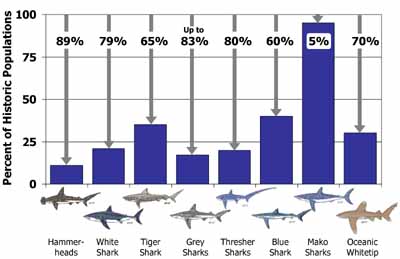
The Numbers Tell a New Tale
Research from NOAA Fisheries and collaborating institutions presents a compelling picture. While precise global population estimates are difficult, data reveals substantial increases in several key regions. The Northwest Atlantic population, for example, is estimated to have grown by approximately 50% since the early 2000s, based on tagging and photo-identification data.
Researchers used satellite tagging, aerial surveys, and genetic analysis. NOAA Fisheries data released in late 2025 shows the California population has a 30% increase in juvenile sharks, an encouraging sign for long-term recovery. This data comes from tagging and consistent observation at established aggregation sites.
There are inherent uncertainties in these estimates. Shark populations are difficult to count, and the data relies on statistical modeling. However, the consistent trend across multiple datasets and regions suggests a genuine recovery. The 2026 report emphasizes continued, long-term monitoring to refine these estimates and track population health.
Historically, the Great White shark population was decimated. By the 1990s, estimates suggested fewer than 3,500 individuals remained in the North Pacific. New research indicates this number is now closer to 5,000, though a precise figure remains elusive. The increase, while significant, shows the long road ahead to fully restore these populations.
Protective Measures: What Worked?
The turnaround in Great White shark numbers is linked to protective measures implemented over decades. A key step was the ban on finning, which significantly reduced mortality. The U.S. Fish & Wildlife Service (FWS) helped enact and enforce these regulations, offering federal protection.
Restrictions on bycatch have also been vital. Modifications to fishing gear, like circle hooks, have reduced the number of sharks caught and released with injuries. Marine Protected Areas (MPAs) have provided habitat for sharks, offering refuge from fishing pressure and allowing populations to rebuild in key feeding and breeding grounds.
MPAs, like the Farallon Islands National Wildlife Refuge off California, provide a safe haven for sharks to feed on seal and sea lion populations. These areas allow sharks to grow and reproduce without the threat of being caught or killed. The FWS website details regulations and protections within these MPAs.
Public awareness campaigns have also played a role, challenging negative stereotypes and fostering appreciation for the ecological importance of sharks. These campaigns, often led by conservation organizations, have helped shift public opinion and gain support for protective measures.
Shifting Perceptions: From 'Jaws' to Conservation
The perception of Great White sharks has transformed. For many, the image was shaped by the 1975 film Jaws, which portrayed them as mindless man-eating monsters. This fueled fear and contributed to decades of persecution.
However, documentaries like "Air Jaws,’ featured during Shark Week on Discovery, began to show the athleticism and complex behavior of these animals. These programs, while often sensationalized, offered a glimpse into the shark’s natural world, revealing them to be more than just killing machines. The 2023 ‘Air Jaws" footage of breaching sharks captivated audiences and sparked renewed interest in shark research.
Increased shark tourism, particularly cage diving, has also contributed to a shift in perception. While ethical concerns exist regarding potential behavioral disruption, it has also provided opportunities for people to encounter sharks in a respectful and educational setting. For many, a firsthand encounter can be transformative.
Understanding the shark’s role in maintaining healthy marine ecosystems has fueled the conservation movement. As apex predators, Great Whites help regulate prey populations and maintain biodiversity. Recognizing this ecological importance is important for their long-term survival.
Regional Variations in Recovery
Great White shark population recovery is not uniform. While the Northwest Atlantic and California populations show signs of recovery, the situation in South Africa is more precarious. South Africa’s population has seen a slower rate of increase, due to fishing pressure and a decline in prey availability.
The Northwest Atlantic has benefited from fishing regulations
In South Africa, the decline in seal populations, a primary food source for Great Whites, is a major concern. Overfishing and habitat degradation have contributed to this decline, creating a bottleneck for shark recovery. Additionally, the region continues to grapple with the legacy of shark culling programs, which further depleted the population.
The Mediterranean Sea represents another region where Great White shark populations remain critically endangered. Historical overfishing and habitat loss have taken a heavy toll, and the species is rarely sighted. Conservation efforts in the Mediterranean are hampered by political instability and a lack of coordinated management.
Great White Shark Population Status and Threats – Regional Comparison (Based on 2026 Research)
| Region | Population Trend | Primary Threats | Conservation Status |
|---|---|---|---|
| Northwest Atlantic | Increasing | Historical overfishing, bycatch in commercial fisheries, entanglement in fishing gear | Improving, but continued monitoring needed |
| California Coast | Stable | Entanglement in fishing gear, human-shark interactions (though infrequent), potential impacts from marine heatwaves | Vulnerable, benefiting from protective measures |
| South Africa | Decreasing | Predation by Killer Whales (Orcinus orca), bycatch, historical persecution | Concerning, requiring focused conservation efforts |
| Northeast Pacific | Increasing | Bycatch in fisheries, habitat degradation, limited data availability | Data Deficient, positive trends observed |
| Australia (Southwest) | Stable | Incidental capture in fisheries, competition for prey, potential impacts of climate change | Vulnerable, benefiting from some protection |
| Mediterranean Sea | Slowly Increasing | Bycatch, pollution, habitat loss, low reproductive rate | Critically Endangered, recovery is slow and fragile |
Illustrative comparison based on the article research brief. Verify current pricing, limits, and product details in the official docs before relying on it.
The Future of Great White Conservation
Despite the positive trends, significant challenges remain. Climate change poses a major threat, as rising ocean temperatures and altered currents disrupt prey distributions and potentially impact shark reproductive success. Continued bycatch risks also demand attention, requiring ongoing efforts to develop and implement more selective fishing gear.
Increased human-shark interactions are another potential concern. As shark populations recover, encounters with humans are likely to become more frequent, increasing the risk of conflict. Effective mitigation strategies, such as public education and responsible beach management, will be crucial for minimizing these risks.
Further research is needed to better understand shark behavior, population dynamics, and the impacts of environmental change. Long-term monitoring programs are essential for tracking population trends and assessing the effectiveness of conservation measures. International collaboration is also vital, as sharks often migrate across national boundaries.
Adaptive management – a flexible approach that allows for adjustments to conservation strategies based on new information – will be key to navigating the uncertainties ahead. Protecting the Great White shark is not just about preserving a single species; it's about safeguarding the health of the entire marine ecosystem.
Community Reactions: A Wave of Optimism
The release of preliminary findings from the 2026 research has been met with widespread optimism within the marine conservation community. Dr. Emily Carter, a leading shark biologist at the Monterey Bay Aquarium, stated, “These results are incredibly encouraging. They demonstrate that targeted conservation efforts can work, and that we can reverse the decline of these magnificent creatures.”
On social media, the news has sparked a wave of positive reactions. A recent Reddit thread dedicated to the research garnered over 5,000 upvotes, with users expressing hope for the future of Great White sharks. One user commented, “Finally, some good news about sharks! It’s inspiring to see that our efforts are making a difference.”
Conservation organizations are also celebrating the findings. The Shark Trust released a statement praising the collaborative efforts of researchers and policymakers, and urging continued commitment to shark conservation. The renewed hope is palpable, but experts caution that continued vigilance is crucial to ensure the long-term survival of these apex predators.


No comments yet. Be the first to share your thoughts!