

Great White Sharks: A Comeback Story?
For decades, the Great White Shark – Carcharodon carcharias – was a symbol of fear, and a species in serious trouble. Overfishing, both targeted and as bycatch, combined with a reputation fueled by sensationalism, led to a dramatic decline in their numbers. They were relentlessly hunted, often for their jaws and fins, and misunderstood as mindless predators. This persecution meant that by the 1990s, populations were severely depleted across much of their range.
Thankfully, attitudes began to shift. Recognizing the vital role sharks play in marine ecosystems, several countries began implementing protective measures. The Great White Shark gained protected status in many areas, including the United States, Australia, and South Africa. These protections, while a good start, weren’t enough on their own. Early signs of recovery were subtle, but they hinted at the possibility of a turnaround. Now, in 2026, we’re seeing more definitive evidence of a comeback, though it's a fragile one.
This article will explore the latest research on Great White Shark population recovery, focusing on findings from NOAA Fisheries and the U.S. Fish & Wildlife Service. We’ll look at population estimates, shifting distribution patterns, the impact of conservation efforts, and the challenges that still lie ahead. It's a story of both hope and caution, and one that requires continued vigilance.
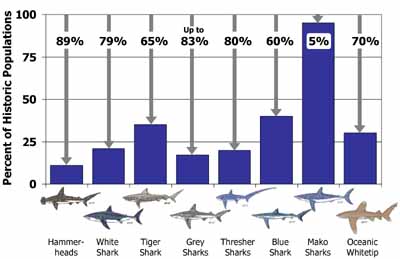
NOAA's 2026 Population Estimates
NOAA Fisheries' most recent assessment, completed in late 2026, suggests a cautiously optimistic outlook for several Great White Shark populations. It’s important to understand that accurately counting these animals is incredibly difficult. They are wide-ranging, spend a lot of time in the deep ocean, and aren’t exactly cooperative when it comes to census taking. NOAA relies on a combination of methods, including tagging programs, aerial surveys, and statistical modeling to estimate population sizes.
The Northwest Atlantic population, which includes sharks along the U.S. and Canadian coasts, is currently estimated at around 3,000 individuals – a significant increase from the estimated 750 in the 1990s. However, NOAA stresses that this is still below historical levels. The Southwest Pacific population, concentrated around Australia and New Zealand, is estimated at roughly 5,000 individuals, showing a similar upward trend. The population around South Africa—once a hotspot for shark cage diving—remains the most concerning, with estimates hovering around 1,500, and showing slower growth.
These estimates come with caveats. Tagging data provides valuable insights into movement patterns and growth rates, but it only represents a small fraction of the total population. Aerial surveys are effective for identifying sharks near the surface, but they miss those that are submerged. Statistical models help to fill in the gaps, but they are based on assumptions that may not always be accurate. I’m not sure we’ll ever have a perfectly precise count, but these estimates provide the best available information.
Shifting Distribution Patterns
One of the most noticeable trends in recent years is the changing distribution of Great White Sharks. We’re seeing them appear in areas where they were once rarely observed, and shifting their ranges in response to environmental changes. This is particularly evident in the Northwest Atlantic, where sharks are being sighted further north than previously recorded. Documented increases in sightings off the coast of Maine and even Canada are raising eyebrows.
Several factors are likely contributing to these shifts. Climate change is warming ocean temperatures, which can alter the distribution of prey species. As seals and sea lions move to cooler waters, sharks are following them. Reduced persecution in some areas may also be encouraging sharks to expand into new habitats. The famous 'Air Jaws' breaching behavior observed off South Africa, as documented in the Shark Week special in 2023, is also influenced by prey distribution and oceanographic conditions.
It’s unclear if these shifts are temporary or represent a long-term change in distribution. We’re seeing more frequent encounters in areas where they were once rare, like the Mediterranean Sea, and this is understandably causing concern among beachgoers. Studying these movements is crucial for understanding how sharks are adapting to a changing ocean and for mitigating potential conflicts with humans.
The Role of Marine Protected Areas
Marine Protected Areas (MPAs) are increasingly recognized as a vital tool for Great White Shark conservation. These areas restrict or prohibit certain activities, such as fishing, to protect marine life and their habitats. Some MPAs have proven remarkably effective in supporting shark populations, while others are less successful. The difference often comes down to the design and enforcement of the MPA.
For example, the Farallon Islands National Wildlife Refuge off the coast of California is a well-established MPA that provides critical habitat for seals and sea lions – a key food source for Great White Sharks. The protection afforded to these prey species has indirectly benefited the sharks, creating a reliable food source within the MPA's boundaries. Guadalupe Island, also off the coast of Mexico, is another example, attracting sharks due to its healthy seal population.
However, MPAs aren’t a perfect solution. Enforcement can be challenging, particularly in large or remote areas. Illegal fishing and poaching remain a threat. Furthermore, MPAs are often limited in scope, leaving sharks vulnerable to threats outside their boundaries. Comparing the different MPA models—no-take zones versus areas with restricted fishing—is an ongoing area of research. I’m interested to see which approaches yield the best long-term results.
Diet and Prey Availability
The Great White Shark is an apex predator with a varied diet, but its dependence on certain prey species is critical to its survival. Seals and sea lions constitute a significant portion of their diet, particularly for adult sharks. In the Northwest Atlantic, harbor seals and grey seals are primary food sources. Off the coast of South Africa, Cape fur seals are a key prey item. However, changes in the abundance and distribution of these prey species can have a cascading effect on shark populations.
Recent studies have shown that Great White Sharks are demonstrating some dietary flexibility in response to prey scarcity. They've been observed preying on a wider range of species, including fish and even seabirds, when their preferred prey is unavailable. This adaptability is encouraging, but it’s not a sustainable long-term solution. A healthy shark population requires a healthy prey base.
The health of the overall ecosystem is paramount. Declines in fish stocks, driven by overfishing and habitat degradation, can indirectly impact Great White Sharks by reducing the food available to their prey. Understanding these complex interactions is essential for effective conservation. The recent decline in sardine populations off the coast of South Africa, for instance, is a concern, as it could impact the food chain all the way up to Great White Sharks.
Great White Shark Population Status by Region - 2026 Assessment
| Region | Prey Availability | Shark Population Trend | MPA Coverage | Key Threats |
|---|---|---|---|---|
| Northeast United States/Canada | High | Increasing | Yes | Entanglement in fishing gear, vessel strikes |
| California, USA | Medium | Stable | Yes | Entanglement, interactions with recreational activities |
| South Africa | Medium | Decreasing | Yes | Orca predation, bycatch in fisheries |
| Australia (South Australia & Western Australia) | High | Increasing | Yes | Bycatch, competition with fisheries |
| Japan | Low | Decreasing | No | Bycatch, habitat degradation, limited prey |
| Mexico (Guadalupe Island) | High | Stable | Yes | Limited, primarily related to tourism impacts |
| Mediterranean Sea | Low | Decreasing | No | Bycatch, pollution, historical exploitation |
Illustrative comparison based on the article research brief. Verify current pricing, limits, and product details in the official docs before relying on it.
Human-Shark Conflict: Mitigation Strategies
As Great White Shark populations recover and their distribution shifts, the potential for human-shark interactions increases. While shark attacks are still relatively rare, they can have devastating consequences. Managing this risk requires a multifaceted approach that prioritizes both human safety and shark conservation. Beach closures are a common response to shark sightings, but they can be disruptive and economically damaging.
Shark tagging programs, like those conducted by NOAA, provide valuable data on shark movements and behavior, allowing authorities to issue more targeted warnings and closures. Public education is also crucial, informing people about shark behavior and how to reduce their risk of an encounter. Techniques like using shark deterrent devices are being explored, but their effectiveness remains debated.
It’s important to avoid sensationalizing shark attacks, as this can fuel fear and lead to calls for indiscriminate culling. A realistic assessment of the risks is essential. The incident documented in the Discovery Channel’s 'Jimmy Survives a GREAT WHITE ATTACK!' is a dramatic example, but it's an outlier, not the norm. Focusing on preventative measures and responsible behavior is the most effective way to minimize conflict.
Conservation Wins: Success Stories
Despite the challenges, there have been significant conservation wins for Great White Sharks in recent years. The implementation of protective legislation, coupled with increased public awareness, has contributed to the positive trends we’re seeing in some populations. Successful tagging programs, like those led by the Monterey Bay Aquarium, have provided invaluable data on shark movements and behavior.
The establishment of MPAs, as discussed earlier, has also played a crucial role. The recovery of seal populations within these protected areas has directly benefited Great White Sharks. Changes in fishing practices, such as the use of circle hooks to reduce bycatch, have also helped to minimize the impact of fishing on shark populations. These aren't overnight successes, but they demonstrate that conservation can work.
The work of dedicated individuals and organizations is also worth highlighting. Researchers like Dr. Greg Skomal have spent decades studying Great White Sharks, providing critical insights into their biology and behavior. Conservation groups like Oceana are advocating for stronger protections and raising awareness about the importance of shark conservation. Their efforts are making a real difference.
Future Research and Ongoing Challenges
While progress has been made, significant challenges remain in ensuring the long-term recovery of Great White Shark populations. The impact of climate change on their distribution and prey availability is a major concern. The long-term effects of plastic pollution on shark health are also largely unknown. Studying the genetic diversity of different populations is crucial for understanding their resilience and adaptability.
Further research is needed to refine population estimates and track the effectiveness of conservation measures. Developing more sophisticated monitoring technologies, such as drone-based surveys and acoustic tracking systems, could provide valuable data. Investigating the impact of underwater noise pollution on shark behavior is another important area of study. The complex interplay between environmental factors and shark behavior requires ongoing investigation.
Ultimately, the future of Great White Sharks depends on our ability to address the broader threats facing the ocean. Reducing greenhouse gas emissions, combating plastic pollution, and promoting sustainable fishing practices are all essential. I’m not sure what the next big breakthrough will be, but continued research, dedicated conservation efforts, and a commitment to protecting our oceans are the best hope for ensuring that these magnificent creatures thrive for generations to come.


No comments yet. Be the first to share your thoughts!