


Shark week budget fit
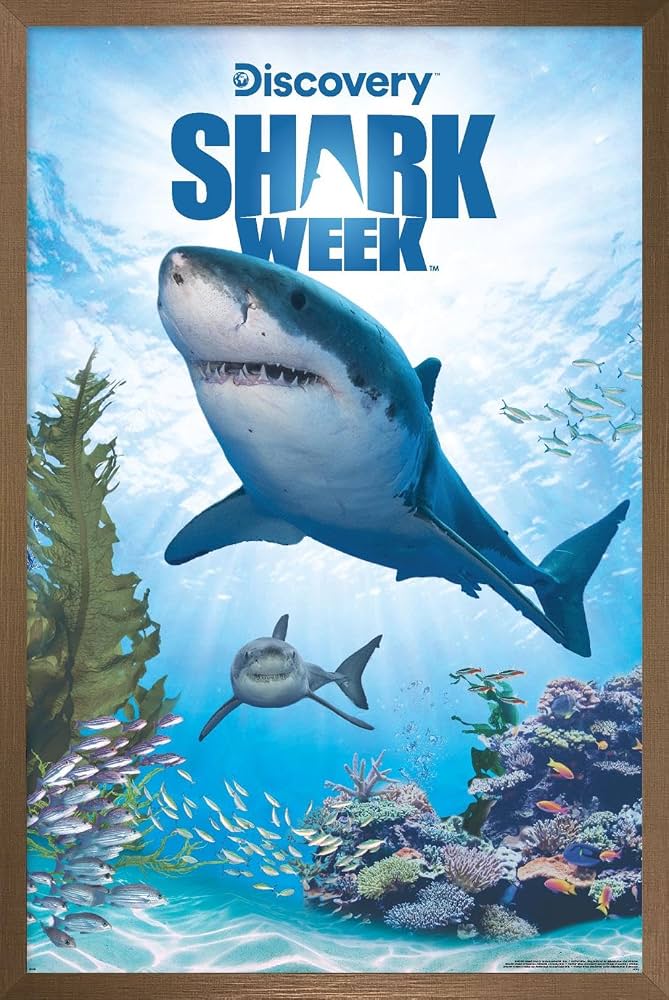
Shark Week merchandise spans from digital-only keepsakes to substantial collector items, making it easy to overspend before the first episode airs. The core tradeoff lies in authenticity versus accessibility. Licensed gear from Discovery offers verified quality and direct support for the network’s conservation initiatives, while unofficial or third-party items often cut costs by compromising on material durability or print accuracy. For most viewers, the sweet spot is in the mid-range apparel and home decor that captures the show’s aesthetic without the premium price tag of limited-edition props.
When evaluating options, check the product materials and licensing details closely. A $20 t-shirt may look identical to a $40 version online, but the fabric weight and print longevity often differ significantly. Similarly, shark tooth jewelry or replica fossils vary wildly in condition and origin. Stick to sellers who provide clear provenance for natural items and official licensing marks for branded goods. This approach ensures you get a tangible piece of the experience that lasts beyond the broadcast window.

As an Amazon Associate, we may earn from qualifying purchases.
Shortlist real options
Shark Week works best as a clear sequence: define the constraint, compare the realistic options, test the tradeoff, and choose the path with the fewest hidden costs. That order keeps the advice usable instead of decorative. After each step, pause long enough to check whether the recommendation still fits the reader's actual situation. If it depends on perfect timing, unusual access, or a best-case budget, include a simpler fallback.
| Factor | What to check | Why it matters |
|---|---|---|
| Fit | Match the option to the primary use case. | A good deal still fails if it does not fit the job. |
| Condition | Verify age, wear, and service history. | Hidden condition issues erase upfront savings. |
| Cost | Compare purchase price with likely upkeep. | The cheapest option is not always the lowest-cost option. |
Inspect the expensive parts
Shark Week works best as a clear sequence: define the constraint, compare the realistic options, test the tradeoff, and choose the path with the fewest hidden costs. That order keeps the advice usable instead of decorative. After each step, pause long enough to check whether the recommendation still fits the reader's actual situation. If it depends on perfect timing, unusual access, or a best-case budget, include a simpler fallback.

Ownership costs and maintenance surprises
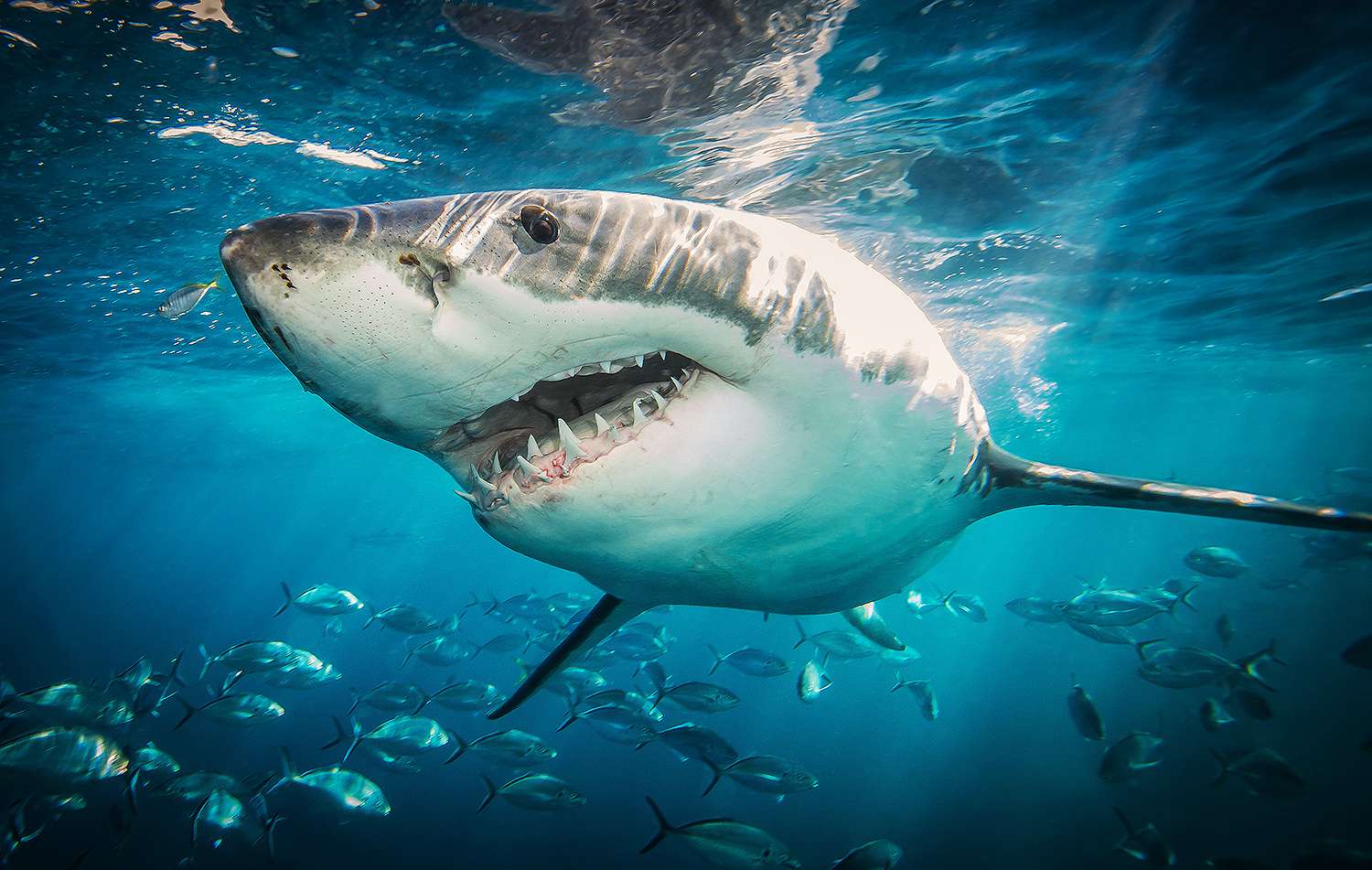
Buying a shark tank is the easy part; keeping it alive is where the budget usually breaks. Whether you are housing a zebra shark or a great white replica display, the running costs scale with the size of the animal and the complexity of the filtration. A cheap buy often stops being cheap when you factor in the specialized equipment required to mimic a marine environment.
Water chemistry is the first silent expense. Saltwater systems demand specific gravity, temperature, and pH stability that require reliable heaters, chillers, and protein skimmers. If a chiller fails in July, you aren't just fixing a machine—you are racing against time to save the stock. Budget for higher electricity bills and regular water testing kits, as even minor fluctuations can stress sensitive species like the zebra shark.
Food and veterinary care represent the recurring financial burden. Sharks are not low-maintenance pets; they require fresh, high-protein diets and occasional veterinary checkups from specialists who understand marine anatomy. A single illness can cost hundreds in diagnostics and treatment. When evaluating a purchase, look beyond the sticker price and calculate the monthly operational cost over the animal's lifespan.


As an Amazon Associate, we may earn from qualifying purchases.
No comments yet. Be the first to share your thoughts!