

Shark Week 2026: Dates, Theme, and What to Expect
Mark your calendars: Shark Week 2026 is officially scheduled for July 6-13, according to National Today. This annual television event, dedicated to all things sharks, has become a cultural phenomenon. It consistently draws a large audience and sparks conversations about these often-misunderstood creatures.
Early indications suggest a strong focus on the waters surrounding Australia for the 2026 installment. The unofficial trailer released by Shaaark! on YouTube clearly points in this direction, showcasing the incredible diversity of shark life found Down Under. This isn't a complete surprise; Discovery has been shifting towards more geographically focused themes in recent years.
The programming likely includes a blend of familiar thrilling shark encounters and incredible underwater footage, alongside a continued emphasis on conservation. While the spectacle is a draw, Shark Week increasingly incorporates scientific research and the importance of protecting shark populations. Navigating this balance will be interesting to observe.
Viewers can expect a variety of programming, from documentaries exploring shark behavior to investigations into shark attacks and the challenges facing shark conservation. There's usually a mix of pre-recorded segments and potentially some live broadcasts, offering a range of experiences. The specifics are still developing, but the foundation is set for another exciting week.
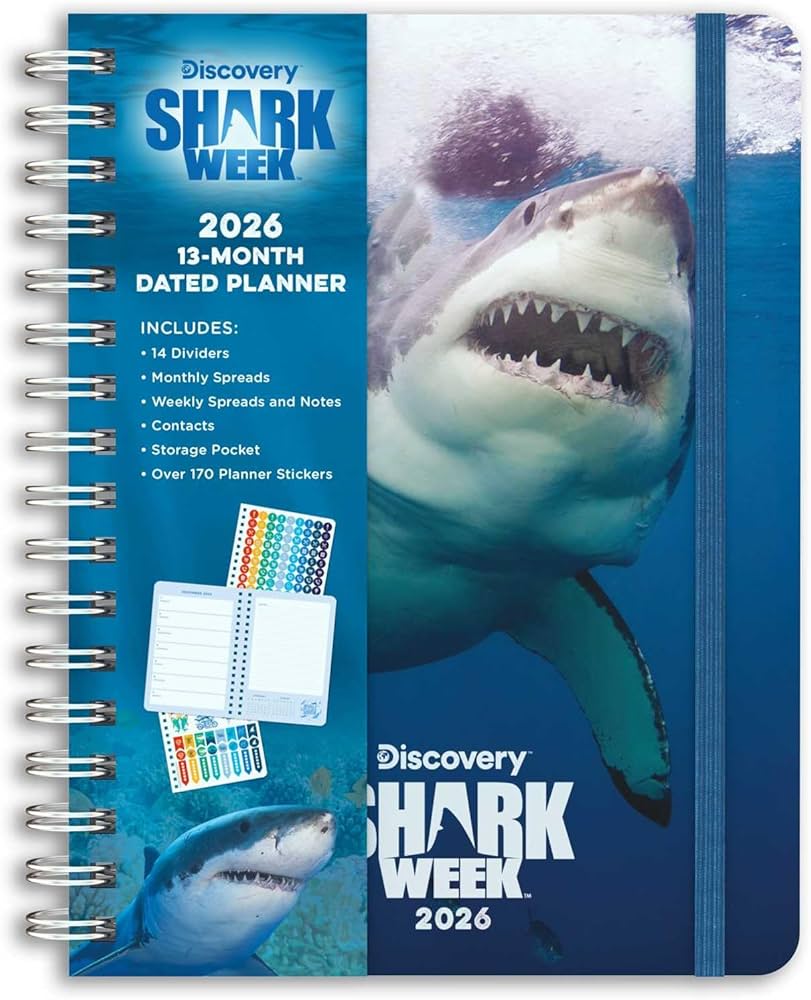
The best week of the summer begins! 🎉 🥳
— Shark Week (@SharkWeek) July 23, 2023
🐋 Belly of the Beast: Feeding Frenzy
🦈 Jaws vs The Meg
💥 Serial Killer: Red Sea Attacks
🪝 Shark Week: Off The Hook#SharkWeek starts tonight at 8p on @Discovery! See more here: https://t.co/DkPssiBinb pic.twitter.com/8IhP5Cmaie
The Full 2026 Schedule: Night by Night Breakdown
The exact Shark Week 2026 schedule is difficult to pinpoint this far out, as Discovery often makes adjustments closer to the air date. Based on past programming patterns and available previews, a likely framework can be sketched. Times are subject to change and this is an estimate.
July 6th: Kicking off the week, a broad introductory special, perhaps titled 'Shark Down Under,' will likely establish the Australian focus. Expect visuals of the coastline and an overview of the shark species inhabiting the region. Airing 8:00 PM - 10:00 PM EST.
July 7th: 'Ningaloo's Gentle Giants' – a documentary focusing on the whale shark aggregation at Ningaloo Reef in Western Australia. These filter feeders are the largest fish in the world, and the footage is expected to be impressive. 9:00 PM - 11:00 PM EST.
July 8th: 'Great White Shadows' - a program dedicated to the Great White sharks of South Australia’s Neptune Islands. This will likely involve cage diving footage and research on their hunting behaviors. 8:00 PM - 10:00 PM EST. This segment might be pre-recorded due to filming complexities.
July 9th: 'Shark CSI: Australia' – a show employing forensic science to investigate shark attacks and understand contributing factors. 9:00 PM - 11:00 PM EST. This investigative programming is standard for Shark Week.
July 10th: 'Reef Patrol' – Following marine park rangers and researchers as they monitor shark populations and protect the coral reefs. 8:00 PM - 9:00 PM EST. This is a shorter, more focused segment.
July 11th: 'Mystery of the Lost Sharks' – an exploration of shark migration patterns and the challenges they face due to climate change and habitat loss. 9:00 PM - 11:00 PM EST. Tagging data and satellite tracking could be incorporated.
July 12th: 'Shark Week Live' – a potential live broadcast from a research vessel off the coast of Australia, featuring real-time shark encounters and interviews with marine biologists. 8:00 PM - 10:00 PM EST. A live broadcast's feasibility depends on weather conditions and logistics.
July 13th: 'Shark Week Rewind' – a recap of the week’s highlights and a preview of future Shark Week events. 9:00 PM - 10:00 PM EST. This is a common way to close the week.
Shark Week 2026 Schedule
| Date | Show Title | Description | Airtime | Live/Pre-recorded |
|---|---|---|---|---|
| July 6 | Shark Showdown: Whale Shark vs. Blacktip Reef | A side-by-side comparison of the massive whale shark and the blacktip reef shark, highlighting their unique characteristics. | 8:00 PM EST | Pre-recorded |
| July 7 | Apex Predators: Great White Secrets | An in-depth look at the hunting strategies and behavior of Great White Sharks. | 9:00 PM EST | Pre-recorded |
| July 8 | Ocean’s Hidden Giants | Exploring the lesser-known shark species and their vital roles in marine ecosystems. | 8:00 PM EST | Pre-recorded |
| July 9 | Shark Migration Mysteries | Following shark populations on their incredible migratory journeys. | 9:00 PM EST | Pre-recorded |
| July 10 | The Science of Shark Senses | Discovering the remarkable sensory abilities that make sharks such effective predators. | 8:00 PM EST | Pre-recorded |
| July 11 | Shark Conservation Efforts | Highlighting the work being done to protect shark populations around the world. | 9:00 PM EST | Pre-recorded |
| July 12 | Shark Week’s Most Thrilling Moments | A retrospective look at some of the most unforgettable encounters from past Shark Weeks. | 8:00 PM EST | Pre-recorded |
| July 13 | Future of Sharks | Examining the challenges facing sharks and the innovations being used to study and protect them. | 9:00 PM EST | Pre-recorded |
Illustrative comparison based on the article research brief. Verify current pricing, limits, and product details in the official docs before relying on it.
Down Under Focus: Exploring Australia’s Shark Hotspots
Australia’s diverse marine environment makes it a prime location for shark research and observation. The 2026 Shark Week's focus on the region is deserved. Several key locations will likely be featured throughout the week's programming.
Ningaloo Reef in Western Australia is a major draw. It’s one of the few places in the world where whale sharks reliably aggregate each year, offering opportunities for research and filming. These gentle giants are a spectacle, and the footage will be a highlight.
South Australia’s Neptune Islands are known for their Great White shark population. The islands are a popular destination for cage diving operators and a crucial breeding ground for these apex predators. Expect dramatic footage of Great Whites breaching and hunting.
The eastern coast of Australia, including areas around Queensland and New South Wales, supports a variety of shark species, including Bull Sharks, Tiger Sharks, and Hammerheads. These sharks play an important role in maintaining the health of coral reef ecosystems. Research on their behavior and migration patterns will be included.
Meet the Scientists and Explorers Leading the Charge
Shark Week isn’t just about showing sharks; it’s about the people dedicated to understanding them. The 2026 lineup will feature marine biologists, researchers, and explorers passionate about shark conservation.
Dr. Chris Fischer, a familiar face to Shark Week viewers, is likely to make an appearance. He’s known for his work with OCEARCH, a non-profit organization that tracks sharks using satellite tagging technology. His insights into shark migration patterns are valuable.
Hoping for more representation from Indigenous Australian marine experts this year. Their traditional ecological knowledge offers a unique perspective on shark behavior and the health of marine ecosystems. Their inclusion would be a step forward.
Other potential contributors include Dr. Andrea Danyluk, a shark behavioral ecologist at the University of Florida, and Dr. R. Dean Grubbs, an expert on shark reproductive biology. Their research provides information for developing effective conservation strategies.
Featured Scientists & Explorers
- Dr. Greg Skomal - A leading marine biologist with the Massachusetts Division of Marine Fisheries, Dr. Skomal has been studying white sharks for over 30 years, pioneering research on their behavior and movements. Mass.gov - Division of Marine Fisheries
- Danni Washington - A science communicator, marine biologist, and television personality, Danni is passionate about making science accessible to everyone. She frequently appears in Shark Week programming. Danni Washington Official Website
- Paul de Gelder - A former Australian Navy diver and shark attack survivor, Paul is now a conservationist and public speaker, advocating for shark conservation and challenging perceptions of these animals. Paul de Gelder Official Website
- Dr. James Sulikowski - A professor at Arizona State University, Dr. Sulikowski focuses his research on the physiological ecology and behavior of sharks and rays. Sulikowski Lab - ASU
- Dr. Michelle Heupel - A research scientist at the Australian Institute of Marine Science, Dr. Heupel specializes in the ecology and management of sharks and rays, particularly in tropical and subtropical regions. AIMS - Michelle Heupel Profile
- Andy Casagrande IV - A wildlife filmmaker and conservationist specializing in sharks, known for his innovative underwater filming techniques and dedication to shark research. Andy Casagrande Official Website
Beyond the Screen: How to Get Involved in Shark Conservation
Shark Week is a platform to raise awareness about the threats facing sharks, but awareness alone isn’t enough. Viewers can take concrete steps to support shark conservation efforts. The scale of the problem can feel overwhelming, but every action contributes to the solution.
Donating to shark research organizations is a direct way to support conservation efforts. Organizations like OCEARCH and the Shark Trust fund research projects and conservation initiatives. Every dollar helps.
Making sustainable seafood choices is important. Avoid consuming shark fin soup and other products derived from sharks. Choose seafood that is responsibly sourced and certified by organizations like the Marine Stewardship Council.
Advocating for stronger shark protection policies is important. Contact your local representatives and urge them to support legislation that protects sharks and their habitats. Supporting organizations that lobby for these policies also makes a difference.
Reducing your carbon footprint can also help. Climate change is a major threat to marine ecosystems, and reducing greenhouse gas emissions is important for protecting sharks and their habitats.
Dive Deeper: Essential Books, Documentaries, and Toys for Shark Week Enthusiasts
Collection of iconic Shark Week documentaries · High-definition Blu-ray format · Hours of shark-related content
This Blu-ray collection allows enthusiasts to revisit and own some of the most compelling Shark Week documentaries, offering in-depth exploration of shark behavior and research.
Comprehensive guide to shark species · Stunning photography and illustrations · Information on shark biology, behavior, and conservation
A visually rich and informative encyclopedia that serves as an excellent companion to Shark Week, providing detailed information on a vast array of shark species.
Builds a T-Rex, Triceratops, or Pterodactyl · Encourages imaginative play and building skills · LEGO quality and durability
While not a shark, this popular LEGO set taps into the fascination with prehistoric creatures, appealing to the same demographic that enjoys learning about apex predators like sharks.
Conducts experiments on water density, salinity, and currents · Includes tools for collecting samples · Educational guide to ocean science
This educational kit provides hands-on experience with oceanographic principles, deepening understanding of the marine environments where sharks live.
Focuses on the behavior and biology of the Great White Shark · Features underwater footage and expert interviews · Available for streaming or digital purchase
For those who want to dive deeper into the most iconic shark species, this documentary offers a focused and detailed look at the Great White.
As an Amazon Associate I earn from qualifying purchases. Prices may vary.
Shark Week 2026: Streaming Options and How to Watch
Keeping up with where to watch Shark Week 2026 can be a challenge with the proliferation of streaming services. Traditionally, the event airs on Discovery Channel, but access has expanded significantly.
Discovery+ will be a platform for streaming Shark Week 2026 content. Subscribers will likely have access to episodes on demand shortly after they air on TV. Max, which now includes Discovery+ content, will also be a convenient option.
Traditional cable and satellite providers will, of course, carry the Discovery Channel. Check your local listings for specific channel numbers and air times. Many providers also offer on-demand access to Shark Week programming.
Keep an eye out for potential live streaming events or virtual experiences offered through the Discovery Channel website or social media channels. These events could provide exclusive content and behind-the-scenes access.
Fan Reactions and Early Buzz: What People Are Saying About Shark Week 2026
The announcement of Shark Week 2026, and particularly the Australian focus, has generated considerable buzz online. Social media platforms like Twitter, Facebook, and Reddit are filled with excitement and speculation.
The unofficial trailer released by Shaaark! on YouTube has been widely shared and praised for its stunning visuals and intriguing glimpses of Australian shark life. Many viewers are expressing their anticipation for seeing footage of whale sharks and Great White sharks.
On the Shark Week Facebook page, discussions are centered around which shark species viewers are most hoping to see featured. There’s also a lot of interest in learning more about the research being conducted in Australia.
Some viewers have expressed a desire for more in-depth scientific coverage and a greater emphasis on conservation. Others are hoping for a return to the more thrilling, action-packed programming that Shark Week is known for. It's a diverse audience with varied preferences.
Content is being updated. Check back soon.


No comments yet. Be the first to share your thoughts!